

Exit the lip balm hamster wheel.
Great news! You aren't addicted to lip balm.
Your lips are just never actually healing. Here's the science of why, and how to stop the cycle.


It's like putting plastic wrap on a chicken.
You wouldn't wrap up slightly overcooked leftover chicken and expect it to pop out the next day moist and juicy.
Same thing here. The typical wax + petroleum jelly balms just seal in what's there. You're not fixing the skin barrier, you're just plastic (or petroleum)-wrapping it.
Enter kokum butter.

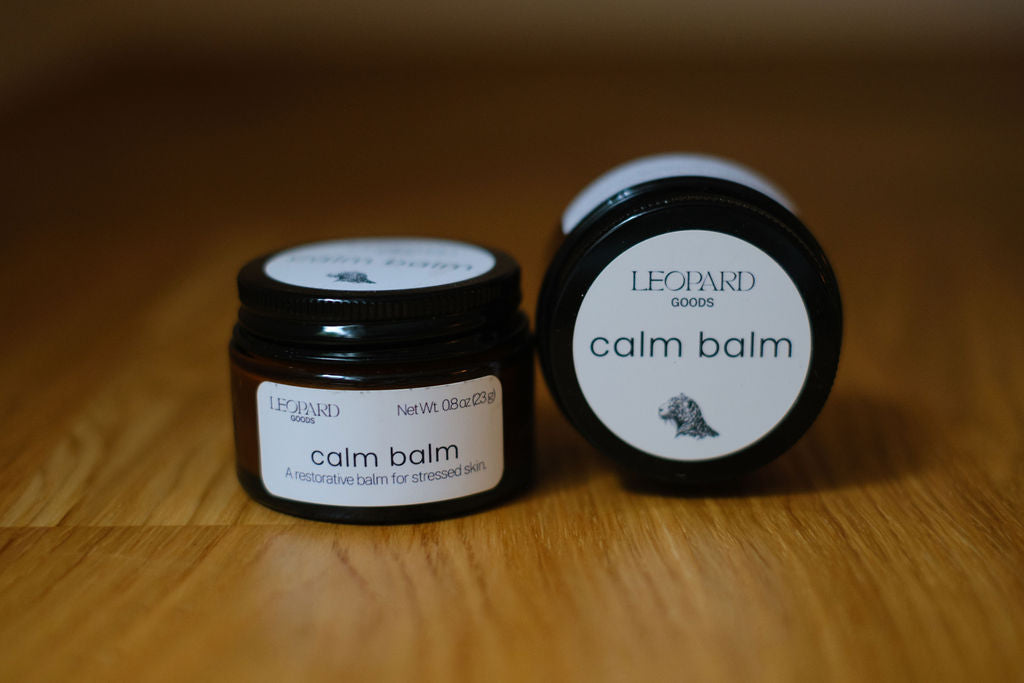
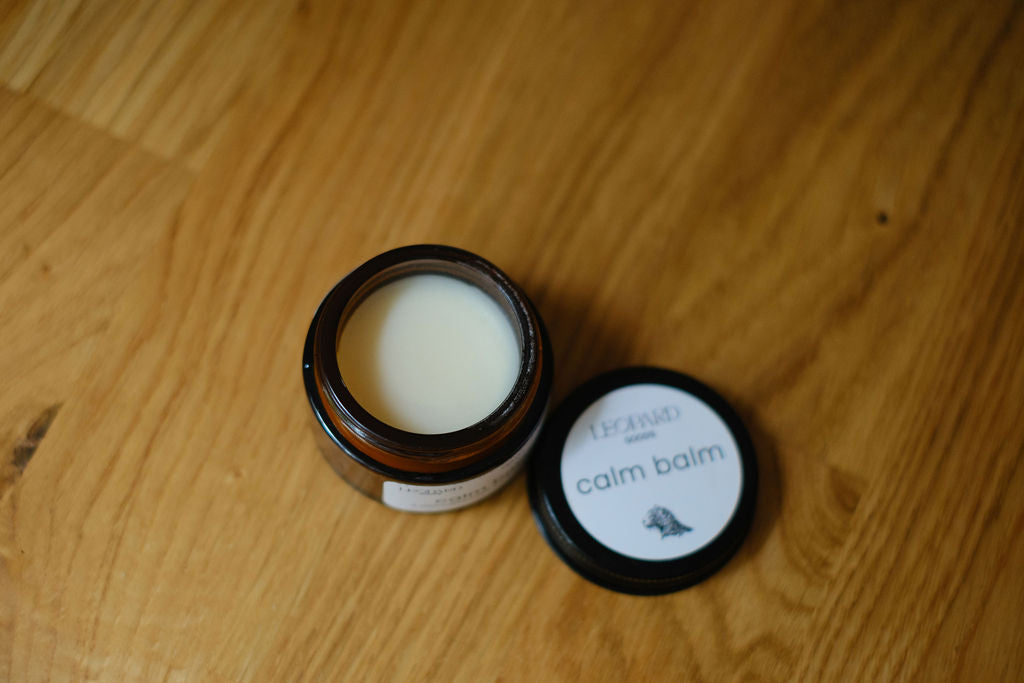
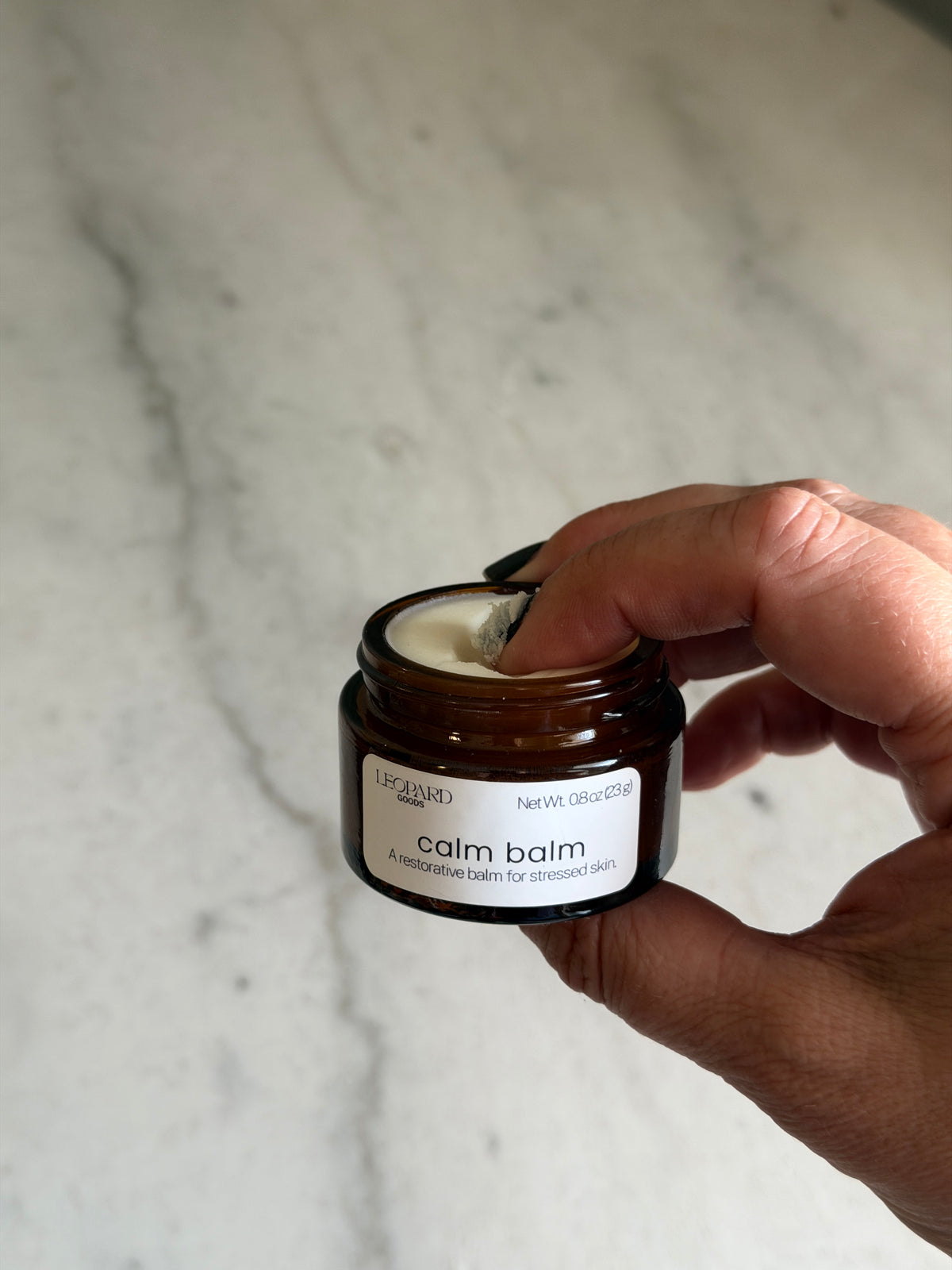
Calm Balm, hamster wheel rescuer.
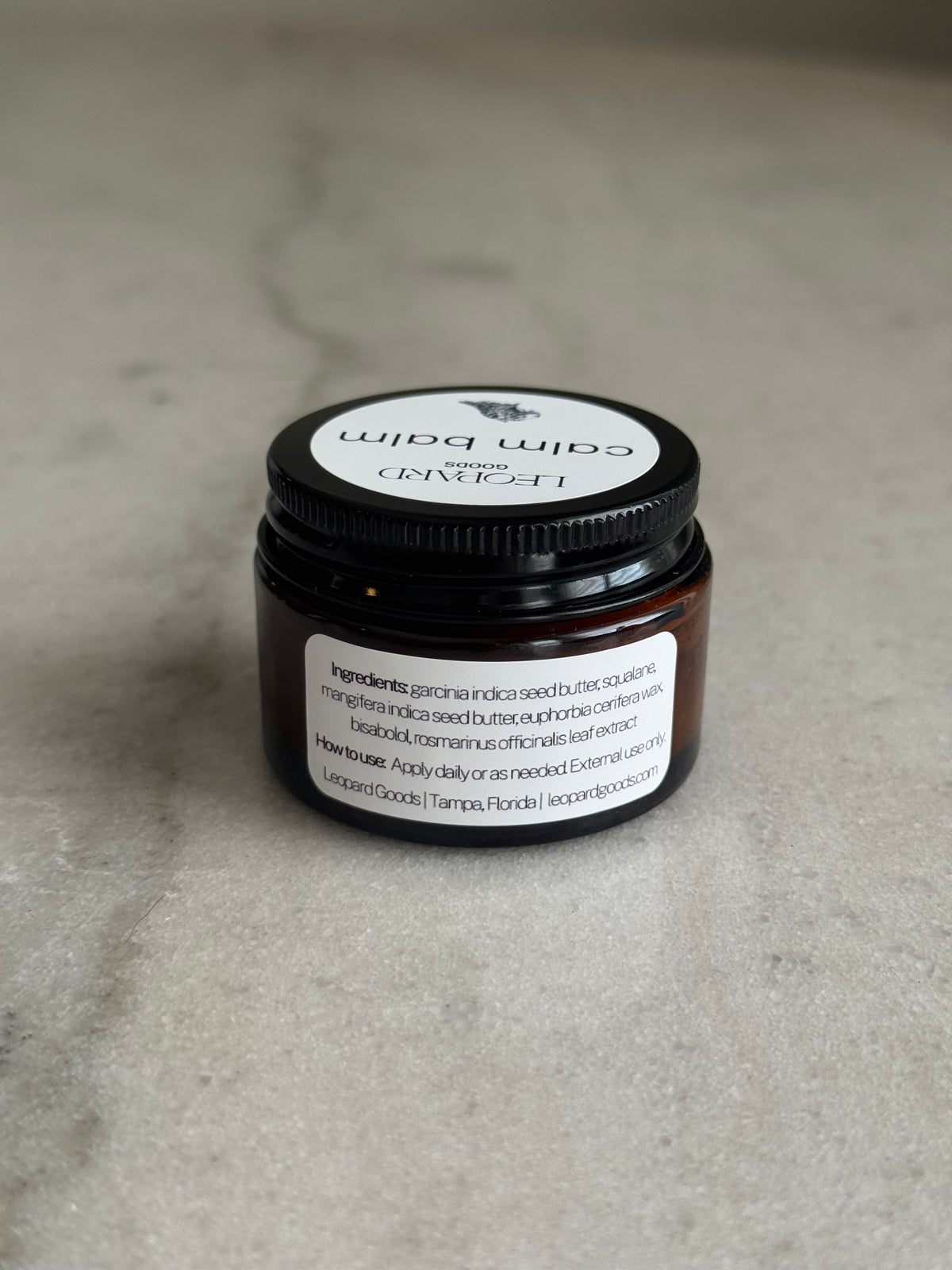
Calm Balm is made with lots of kokum butter, some other plant-based butters and oils, and bisabolol, the active ingredient in chamomile. A little bit on the lips and you've got softness for hours, and (importantly) they will feel better after, not worse.
Don't just take it from us...


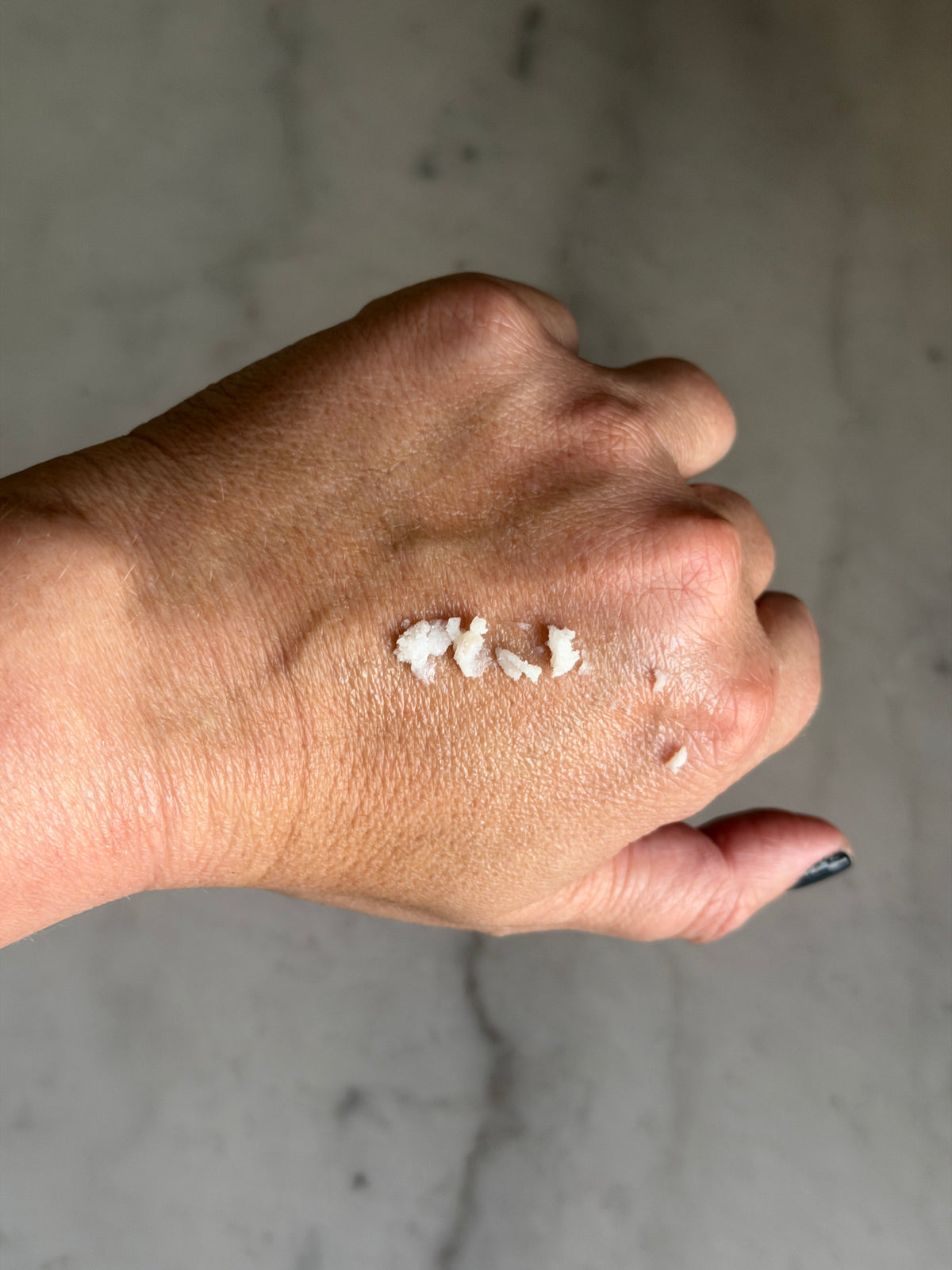
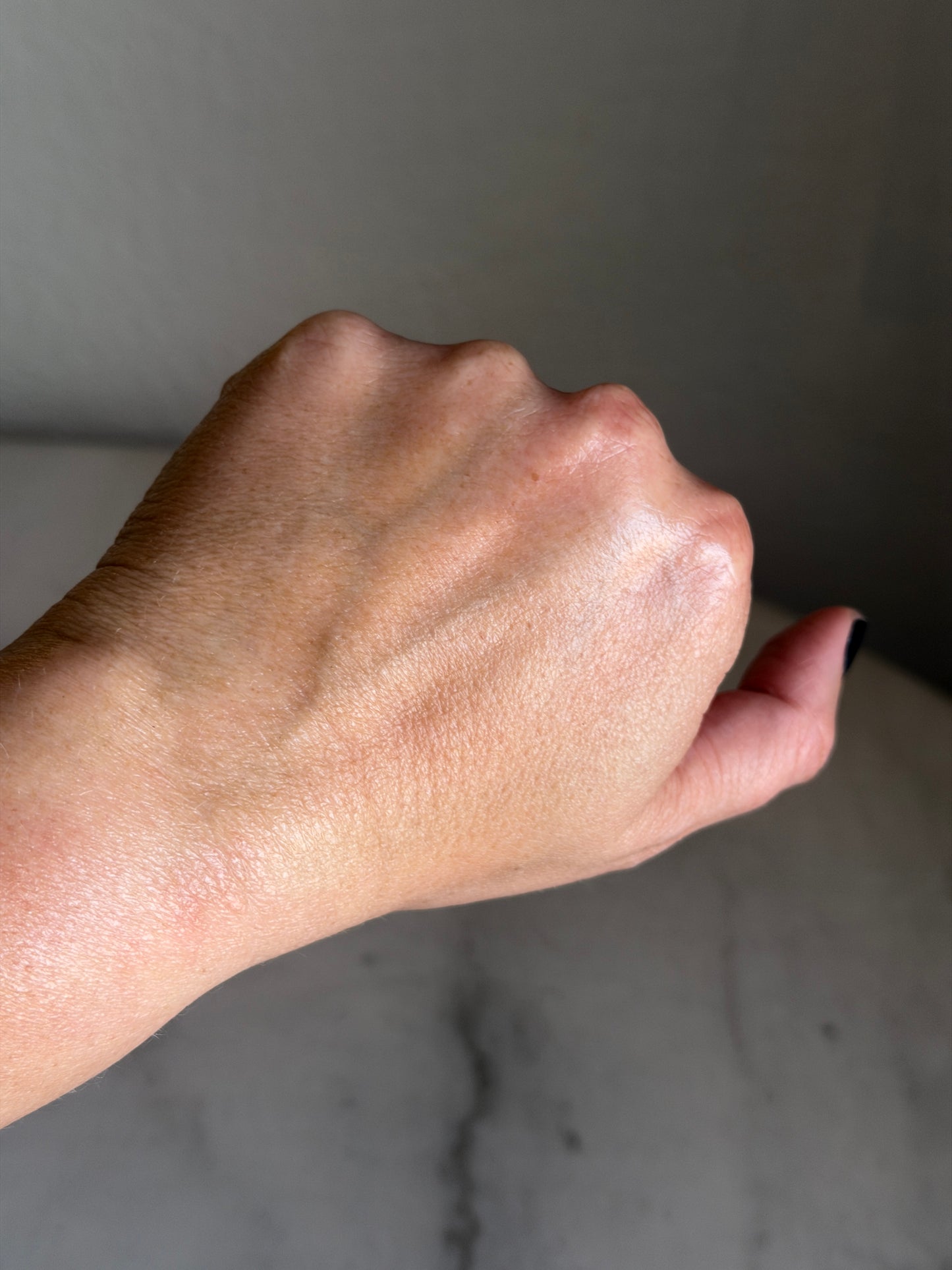

It doesn't stop at lips.
If the rest of you is dry too, that's what Base Layer is for. Same kokum butter, same dry finish, more spreadable for face + body. The Everything Bundle is both.